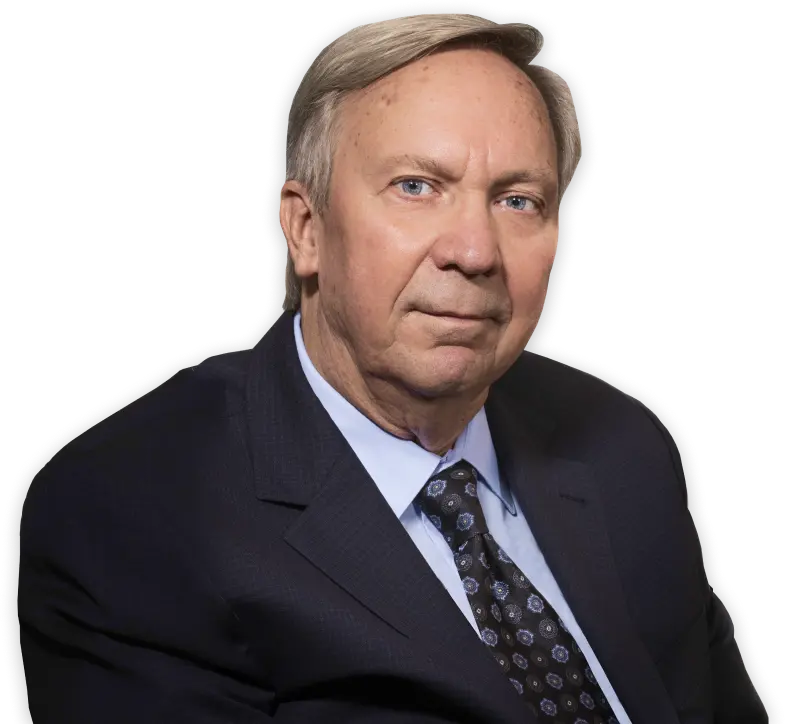
Moloney Securities Co., Inc. CEO and Financial Advisor Donald Hancock Under Investigation For Regulation Best Interest Violations and Unsuitable GWG L Bond and Alternative Investment Recommendations, FINRA Complaint

Our firm is investigating Moloney Securities Co., Inc. CEO and financial advisor Donald Ralph Hancock (CRD# 828811) of Manchester, Missouri for potential Regulation Best Interest and suitability-related misconduct involving high-risk GWG L Bonds and other alternative investments recommended to retail investors. Financial Advisor’s Career History Donald R. Hancock (CRD# 828811) has been in the securities industry since 1976 and is currently registered with Moloney Securities Co., Inc. and Moloney Securities Asset Management LLC in Manchester, Missouri, where he serves in senior leadership roles including Chief Executive Officer and financial officer. His prior registrations include tenures with R. Rowland & Co., Inc., A.G. Edwards & Sons, Inc., D.R. Hancock & Company, Inc., Hancock Securities Group, LLC, Hancock Investment Advisors, LLC, and Moloney Investment Advisory LLC. Over his nearly five-decade career, Hancock has held multiple principal and supervisory licenses, including General Securities Principal, Municipal Securities Principal, Financial and Operations Principal, Registered Options Principal, Investment Banking Principal, and Securities Trader Principal, along with state registrations in more than 30 U.S. jurisdictions. Donald R. Hancock Fraud Allegations and Investor Complaints Explained According to Hancock’s FINRA BrokerCheck report, his record includes two regulatory events and two customer disputes, all of which center on supervisory, continuing-education, and Reg BI care-obligation issues, as well as allegations of unsuitable recommendations in high-risk debt and alternative investments such as GWG L Bonds, oil and gas programs, direct participation programs (DPPs), and real estate securities. 2024 SEC Regulation Best Interest Order Over GWG L Bonds On September 27, 2024, the U.S. Securities and Exchange Commission instituted public administrative and cease-and-desist proceedings against Moloney Securities Co., Inc., Hancock, and two other representatives involving recommendations of GWG Holdings, Inc. “L Bonds” between June 30, 2020 (the Regulation Best Interest compliance date) and approximately January 15, 2022. The SEC alleged that: The SEC order is final and, as to Hancock, imposes the following monetary sanctions: For a total individual monetary obligation of $58,341, which the order indicates must be paid and distributed to investors through a Fair Fund. Hancock agreed to the order on a “neither admit nor deny” basis but was found to have willfully violated the General Obligation of Regulation Best Interest (Exchange Act Rule 15l-1(a)(1)). 2000 NASD Supervisory and Continuing-Education Violations Hancock’s record also shows a prior regulatory matter from 2000 with NASD Regulation, Inc. (a predecessor to FINRA). In that case, NASD alleged that: Without admitting or denying the findings, Hancock and the firm entered into an Acceptance, Waiver & Consent (AWC) and were jointly and severally fined $5,000, which was later paid in full. The matter is final. Recent FINRA Customer Dispute Settlements In addition to the regulatory events, Hancock has two recent customer disputes that were resolved through FINRA arbitration: Summary of Disclosures (Action and Disposition) Investors should understand that some of these matters were resolved by negotiated settlement, often on a “neither admit nor deny” basis, and Hancock continues to refute the customer allegations despite the payments made to claimants. Based on these disclosures, investors who purchased GWG L Bonds, high-risk corporate debt, or alternative investments such as oil and gas programs and real estate securities through Hancock and Moloney Securities may have potential claims for recovery of their losses in FINRA arbitration or other forums. To obtain a copy of Donald R. Hancock’s FINRA BrokerCheck report, visit this link. Robert Wayne Pearce Is Committed to Recovering Your Investment Losses FINRA Rule 2111—the Suitability Rule—requires brokers to have a reasonable basis to believe a specific recommendation is suitable for a particular customer, based on that customer’s investment profile (age, financial situation, tax status, investment objectives, risk tolerance, and other holdings). The customer disputes on Hancock’s record allege suitability and negligence in connection with portfolios heavily concentrated in corporate debt and alternative investments such as oil and gas programs, DPPs, and real estate securities. When a broker loads an investor’s account with complex or illiquid products that are inconsistent with the investor’s risk tolerance, liquidity needs, or time horizon, arbitrators often view that pattern as evidence of a violation of Rule 2111 and related common-law duties of care and loyalty—even if the broker denies wrongdoing and the firm settles “for business reasons.” FINRA Rule 3110 (Supervision) and FINRA Rule 2010 (Standards of Commercial Honor and Principles of Trade), together with their NASD predecessors (Rules 3010 and 2110), require firms and supervisors to establish and enforce a supervisory system reasonably designed to achieve compliance with securities laws and FINRA rules. The 2000 NASD action against Hancock, which cited failures to maintain written supervisory procedures and to prevent unregistered representatives from acting as general securities reps, illustrates how supervisory lapses can expose firms and principals to regulatory sanctions. In combination with the SEC’s later findings about Moloney’s inadequate Reg BI policies and conflicts-of-interest controls, these rules underscore that investors may have claims not only against individual brokers but also against the supervisory and firm-level structures that allowed unsuitable or non-compliant sales practices to occur. For over 45 years, Robert Wayne Pearce has helped investors recover losses caused by broker fraud, negligence, and unsuitable recommendations. His firm, The Law Offices of Robert Wayne Pearce, P.A., represents clients nationwide on a no-recovery, no-fee basis. Call (800) 732-2889 or email pearce@rwpearce.com for a free case review with an experienced securities attorney.

Continue Reading

Realta Equities and Realta Investment Advisors Broker Ashley Romiti Under Investigation For Unsuitable DST and Real Estate Securities Recommendations FINRA Complaint

Ashley Quinn Romiti (CRD# 7636987). Our firm is investigating Realta Equities, Inc. broker and Realta Investment Advisors, Inc. investment adviser representative Ashley Quinn Romiti of San Juan Capistrano, California for potential investment-related misconduct involving allegedly unsuitable recommendations in Delaware Statutory Trust (DST) and other real estate securities. Financial Advisor’s Career History According to her FINRA BrokerCheck report, Ashley Quinn Romiti is currently registered as a General Securities Representative with Realta Equities, Inc. and as an investment adviser representative with Realta Investment Advisors, Inc. She has been registered with both firms since March 3, 2025, working primarily out of San Juan Capistrano, California, while also listing a Wilmington, Delaware office address. Romiti has passed the Securities Industry Essentials (SIE) exam, the Series 7TO General Securities Representative Examination, and the Series 66 Uniform Combined State Law Examination. She is licensed in all 50 U.S. states, the District of Columbia, and Puerto Rico. Before joining Realta Equities and Realta Investment Advisors, Romiti was registered with Arkadios Capital (broker) and Arkadios Wealth Advisors (investment adviser) from July/August 2023 through March 2025. Prior to that, she was associated with Emerson Equity LLC as both a broker and investment adviser from November 2022 through November 2023, based in Irvine and San Mateo, California. Her employment history also includes investment-related business development roles at Perch Wealth, Verada, and Topside Real Estate, as well as non-investment-related positions in business development and case management. Ashley Quinn Romiti Fraud Allegations and Investor Complaints Explained Romiti’s BrokerCheck report discloses two pending customer dispute events, both arising from the same FINRA arbitration proceeding filed in October 2025. The disclosures describe an investor claim connected to her prior associations with Emerson Equity LLC and Arkadios Capital, focusing on alleged sales-practice violations tied to DST and other real estate securities. In one disclosure, Arkadios Capital reports a FINRA arbitration alleging violations of federal securities laws, the California Securities Act, Pennsylvania securities laws, and the Pennsylvania Unfair Trade Practices and Consumer Protection Law, along with breach of contract, common law fraud, breach of fiduciary duty, negligence, and gross negligence. The product identified is a real estate security, and the claimant seeks compensatory damages along with “benefit of the bargain” damages, lost opportunity costs, model portfolio damages, prejudgment interest, costs, attorneys’ fees, punitive damages, and other relief, with the exact amount to be determined by the arbitration panel. A parallel disclosure referencing both Emerson Equity LLC and Arkadios Capital alleges that, from March 14, 2022 through December 11, 2023, Romiti recommended allegedly unsuitable investment recommendations in several DST private placements. The customer claims these transactions were inappropriate in light of the investor’s objectives and risk tolerance. The Product Type is listed as “DSTs (Private Placements),” with damages again described as “TBD,” and the matter is proceeding in FINRA arbitration. Both disclosures are categorized as “Customer Dispute – Pending” and appear to relate to the same FINRA arbitration, Docket No. 25-02160, filed on October 21, 2025. The customer complaints were reported on October 21 and October 22, 2025, and remain pending with no settlement or final award reported as of the most recent BrokerCheck update. Romiti has not been the subject of any reported regulatory actions, criminal matters, or financial-related disclosures such as bankruptcies or judgments. For context, Romiti’s customer dispute disclosures can be summarized as follows: As with all pending customer disputes, these allegations have not been proven, and no finding of liability has been made against Romiti. The complaints may ultimately be denied, withdrawn, settled without an admission of wrongdoing, or adjudicated by a FINRA arbitration panel. In general, DST and other private placement offerings are often high-risk, illiquid investments that may not be appropriate for investors seeking capital preservation, liquidity, or conservative income strategies. When such products are concentrated in a client’s portfolio or sold without adequate disclosure of risks, they can lead to significant losses and potential sales-practice violations if the recommendations fail to align with the investor’s profile. To obtain a copy of Ashley Quinn Romiti’s FINRA BrokerCheck report, visit this link. Robert Wayne Pearce Is Committed to Recovering Your Investment Losses Detailed allegations that a broker recommended DST private placements that did not match a client’s objectives, risk tolerance, time horizon, income needs, or liquidity requirements often implicate FINRA Rule 2111 and related suitability standards. Our firm routinely litigates these issues in arbitration nationwide. Romiti’s pending customer disputes may indicate pattern concerns about whether her recommendations in real estate securities and DST private placements complied with suitability, disclosure, and supervisory rules. Even if your particular account is not part of the pending FINRA case, similar recommendations or product exposures in your portfolio may warrant independent review. FINRA Rule 2111 (Suitability) FINRA Rule 2111, the Suitability Rule, requires brokers to have a reasonable basis to believe that any recommended transaction or investment strategy is suitable for the customer based on the customer’s investment profile. That profile includes factors such as age, financial situation, tax status, investment objectives, investment experience, time horizon, liquidity needs, and risk tolerance. The customer disputes involving Ashley Quinn Romiti allege that she recommended DST and real estate security investments that were unsuitable in light of the investor’s needs and circumstances, and that these recommendations caused losses. If a FINRA arbitration panel were to find that she failed to conduct adequate due diligence on the DST private placements, failed to understand or explain the associated risks, or recommended an over-concentration in illiquid alternative investments, it could conclude that Rule 2111 was violated. In a suitability case, the panel may look at whether the complexity and illiquidity of the private placements were appropriate for the investor’s objectives, whether the client’s financial profile could bear the potential losses, and whether the broker documented and updated the client’s profile appropriately before recommending the products at issue. If the recommendations were not reasonably tailored to the client’s circumstances, this may support liability under Rule 2111, subject to all evidence presented and the broker’s defenses. FINRA Rule 2010 (Standards of Commercial Honor and Principles...

Continue Reading

Citigroup Global Markets Broker Elijah Goble Under Investigation For Unsuitable Barrier Note and Improper Handling of Customer Account FINRA Complaints

Our firm is investigating Citigroup Global Markets Inc. broker and financial advisor Elijah Grant Goble (CRD# 6760147) of Costa Mesa, California for potential investment-related misconduct arising from customer complaints alleging an unsuitable coupon barrier note recommendation and improper handling of a municipal debt account. Elijah Grant Goble’s Financial Advisor Career History According to his FINRA BrokerCheck report, Elijah Grant Goble has been registered in the securities industry since 2017 and is currently licensed in numerous states and with multiple self-regulatory organizations. He is presently registered as a General Securities Representative and investment adviser representative with Citigroup Global Markets Inc. (CRD# 7059), working through Citi Retail Banking branch offices in Costa Mesa, California, and affiliated locations. He has been with Citigroup Global Markets Inc. since March 26, 2018. Goble’s prior investment-related employment includes: His non-investment-related background includes roles in live entertainment production and information technology support, as well as full-time college studies, before entering the securities industry. Elijah Grant Goble Fraud Allegations and Investor Complaints Explained FINRA BrokerCheck discloses two customer dispute events on Elijah Grant Goble’s record—one settled complaint involving a coupon barrier note and one pending FINRA arbitration alleging improper handling of a municipal debt account. These disclosures do not, by themselves, establish liability, but they do show that multiple customers have raised serious allegations about his recommendations and account handling. Settled Customer Complaint Involving Coupon Barrier Note In April 2022, a customer lodged an oral complaint against Citigroup Global Markets Inc. relating to a barrier note transaction handled by Goble. The client alleged that: Key details from the disclosure include: From an investor-protection perspective, the allegations focus on whether a complex, high-risk structured product was suitable for a customer who requested conservative investments and believed his downside risk was limited, and whether the risks and potential volatility of the barrier note were accurately explained. Summary of Settled Disclosure (Barrier Note) Pending FINRA Arbitration Alleging Improper Handling of Municipal Debt Account FINRA BrokerCheck also reports a pending arbitration filed in 2025 involving alleged improper handling of a municipal debt account at Citigroup Global Markets Inc. where Goble was the registered representative. According to the disclosure: Because the case is still pending, the allegations have not been adjudicated, and there has been no finding of liability or wrongdoing. Nonetheless, a claimed loss of more than $276,000 in a municipal debt account signals a significant dispute and raises questions about suitability, risk disclosure, monitoring, and overall account management. Summary of Pending Disclosure (Municipal Debt Account) Overview of Elijah Grant Goble’s Reported Disclosures In total, Elijah Grant Goble’s BrokerCheck record currently reflects: Investors reviewing these disclosures should recognize that the existence of complaints and pending arbitrations indicates serious customer concerns, but the ultimate outcome may depend on how arbitrators assess the evidence, including documents, testimony, and expert analysis. To obtain a copy of Elijah Grant Goble’s FINRA BrokerCheck report, visit this link. Robert Wayne Pearce Is Committed to Recovering Your Investment Losses FINRA Rule 2111 – Suitability In cases like the barrier note complaint reported against Elijah Grant Goble, FINRA Rule 2111 (the “Suitability” rule) is often central. Rule 2111 requires that a broker or associated person have a reasonable basis to believe that any recommended transaction or investment strategy is suitable for the customer based on information obtained through reasonable diligence, including the investor’s age, financial situation, tax status, risk tolerance, and investment objectives. When a customer instructs a broker to invest funds “conservatively” but is instead placed into an “extremely high risk” coupon barrier note that later experiences a steep decline in value—from $40,000 down to approximately $7,000 at one point—arbitrators may examine whether the broker: If the evidence shows that the broker recommended an overly risky structured product to a conservative investor, or failed to disclose material risks, arbitrators may find a violation of Rule 2111 and award damages for resulting losses. FINRA Rule 2010 – Standards of Commercial Honor and Just and Equitable Principles of Trade FINRA Rule 2010 requires that brokers and associated persons “observe high standards of commercial honor and just and equitable principles of trade” in the conduct of their business. While Rule 2111 addresses suitability directly, Rule 2010 is broader and often used in combination with more specific rule violations. In the context of Goble’s reported disclosures, arbitrators and regulators may analyze whether the alleged improper handling of a municipal debt account—resulting in claimed damages of more than $276,000—reflected conduct that fell short of these high standards. For example, if a broker: such behavior may be viewed as inconsistent with the just and equitable principles required under Rule 2010, even apart from any specific suitability violation. In many arbitration awards and disciplinary actions, a pattern of poor judgment and disregard for customer interests is framed as a Rule 2010 violation. FINRA Rule 2210 – Communications with the Public FINRA Rule 2210 governs broker communications with the public, including written materials, electronic communications, and certain oral presentations that are memorialized or widely distributed. The rule requires that communications be fair and balanced and that they provide a sound basis for evaluating the facts regarding any security or investment strategy, without omitting material information or understating risks. In a case where a customer alleges that he was told the most he could lose on a barrier note was 30%, but the investment later experienced much steeper losses, arbitrators may look at how the product was described: If a broker’s explanations or marketing-style communications about a structured note or municipal debt strategy were misleading, overly promotional, or omitted key risk information, arbitrators may find that those communications violated Rule 2210. Such findings often bolster an investor’s claims for recovery when combined with allegations of unsuitability and breach of duty. For over 45 years, Robert Wayne Pearce has helped investors recover losses caused by broker fraud, negligence, and unsuitable recommendations. His firm, The Law Offices of Robert Wayne Pearce, P.A., represents clients nationwide on a no-recovery, no-fee basis. Call (800) 732-2889 or email pearce@rwpearce.com for a free case...

Continue Reading

PHX Financial Broker Alex Ng Under Investigation For Unsuitable Investments and Misrepresentation FINRA Complaint

Alex Ng (CRD# 5842211) is a PHX Financial, Inc. stockbroker and investment adviser representative based in New York, New York, who is currently the subject of multiple pending FINRA customer disputes involving allegedly unsuitable investments and misrepresentation. Stockbroker Alex Ng’s Career History Alex Ng has spent his entire securities career in the New York market with a small number of brokerage and advisory firms: He is currently registered as a General Securities Representative with FINRA and licensed as a securities agent in more than 40 U.S. states and territories. Alex Ng’s Other Business Activities According to his Form U4, Ng also reports ownership of ALEX KING NG LLC, a business he uses to pay bills for his practice, which he indicates requires approximately 10 hours per month and no time during trading hours. Alex Ng Fraud Allegations and Investor Complaints Explained FINRA’s BrokerCheck report for Alex Ng discloses two pending customer disputes filed in 2025, both seeking substantial damages and arising from PHX Financial customer accounts. 2025 FINRA Arbitration Claim Alleging Unsuitable Reallocation of Portfolio In the first pending matter, a group of clients allege that, after they transferred their account to Ng at PHX Financial, he reallocated their portfolio into allegedly unsuitable investments: blue-chip stocks, sector funds, and alternative investments. The customers contend that this shift in strategy exposed them to excessive risk and losses inconsistent with their investment profiles. Key details reported to FINRA include: Ng has submitted a statement denying any wrongdoing, asserting that his clients’ accounts were profitable while he managed them and indicating he intends to seek expungement of the complaint once the matter is resolved. 2025 FINRA Arbitration Claim Alleging Misrepresentation, Negligence, and Breach of Fiduciary Duty The second pending dispute also arises from Ng’s time at PHX Financial and involves even broader accusations. In that case, a client alleges: The products at issue include both listed equities and private equity investments. The customer seeks damages between $500,000 and $1,000,000, again through a FINRA arbitration proceeding. Case details reported to BrokerCheck: Ng again denies all allegations, stating that the client’s account was profitable while he managed it and that he plans to pursue expungement after the arbitration concludes. Summary of Alex Ng’s FINRA Disclosures As of the most recent BrokerCheck report, Alex Ng’s publicly reported disclosures include: Investors should understand that these matters are currently unresolved. Allegations in pending FINRA proceedings have not been proven and may ultimately be denied, dismissed, or settled without any finding of liability against the broker or the firm. To obtain a copy of Alex Ng’s FINRA BrokerCheck report, visit this link. Robert Wayne Pearce Is Committed to Recovering Your Investment Losses FINRA Rule 2111 – Suitability Obligations FINRA Rule 2111 (Suitability) requires brokers like Alex Ng to have a reasonable basis to believe that each recommended transaction or overall investment strategy is suitable for the customer in light of that customer’s investment profile—age, financial situation, risk tolerance, investment objectives, and other factors. When clients allege that Ng reallocated their accounts into concentrated positions in blue-chip stocks, sector funds, and alternative or private investments that did not match their needs, they are effectively claiming a violation of Rule 2111’s “reasonable basis” and “customer-specific” suitability standards. If a broker recommends a strategy that exposes customers to more volatility, liquidity risk, or downside risk than their profiles support—and particularly if those recommendations generate higher commissions or fees for the broker—that conduct may be deemed unsuitable under Rule 2111 and form the basis for an arbitration claim seeking to recover losses. FINRA Rule 2010 – Standards of Commercial Honor and Principles of Trade FINRA Rule 2010 requires associated persons to “observe high standards of commercial honor and just and equitable principles of trade.” Allegations of misrepresentation, negligence, and breach of fiduciary duty go beyond mere poor judgment; they suggest conduct that may fall short of these ethical standards. In the pending cases against Ng, the customers claim that he misrepresented or failed to fully disclose the risks and characteristics of the recommended investments and that his conduct breached duties owed to them. If a FINRA arbitration panel finds that a broker’s recommendations were dishonest, misleading, or inconsistent with fair dealing—even if they technically comply with some other rule—the panel may conclude that Rule 2010 was violated, further supporting an award of damages to investors. FINRA Rule 2210 – Communications with the Public FINRA Rule 2210 governs a broker’s communications with the public, including written and oral statements made to customers about securities and investment strategies. It prohibits false, exaggerated, unwarranted, or misleading statements and requires that communications provide a fair and balanced treatment of risks and potential benefits. The customer dispute alleging misrepresentation and negligent conduct implicitly raises Rule 2210 concerns. If Ng or PHX Financial presented private equity or other securities as safer, more liquid, or more income-producing than they truly were—or omitted important risk disclosures—those communications could be deemed misleading under Rule 2210. When a communication fails to give investors a fair picture of the risks involved, and clients rely on that incomplete or biased information to approve the transaction, any resulting losses may be recoverable in investment loss claims brought through FINRA arbitration or related litigation. For over 45 years, Robert Wayne Pearce has helped investors recover losses caused by broker fraud, negligence, and unsuitable recommendations. His firm, The Law Offices of Robert Wayne Pearce, P.A., represents clients nationwide on a no-recovery, no-fee basis. Call (800) 732-2889 or email pearce@rwpearce.com for a free case review with an experienced securities attorney.

Continue Reading

Raymond James & Associates Broker William Bredt Under Investigation For Unsuitable Private Placement and REIT Recommendations FINRA Complaint

Our firm is investigating Raymond James & Associates, Inc. broker and investment adviser representative William Roy Bredt (CRD# 1621507) of West Conshohocken, Pennsylvania for potential investment-related misconduct involving alleged unsuitable private placement and REIT recommendations, misrepresentations of risks, and other sales-practice violations. Financial Advisor’s Career History William Roy Bredt has worked in the securities industry since the late 1980s. FINRA BrokerCheck shows that he is currently registered as a General Securities Representative and investment adviser representative with Raymond James & Associates, Inc. and is licensed across numerous self-regulatory organizations and more than forty U.S. states and territories. According to his registration and employment history: BrokerCheck also reflects that Bredt has passed the Series 7, Series 63, and Series 65 examinations and holds active registrations with nine self-regulatory organizations and 41 U.S. states and territories through Raymond James & Associates, Inc. William Roy Bredt Fraud Allegations and Investor Complaints Explained FINRA disclosure records show eight customer dispute events involving William Roy Bredt: one pending customer complaint and seven final customer disputes (including both settled and denied/closed matters). The allegations focus on unsuitable investment recommendations, misrepresentations, churning, failure to follow instructions, and issues with private placements and REIT products. 2025 Pending REIT and Private Placement Complaint – $400,000 Alleged Damages A 2025 customer complaint remains pending against Bredt, reported under Raymond James & Associates, Inc.: This pending dispute centers on complex real estate securities, where customers commonly claim that they were not adequately informed of liquidity risks, potential principal loss, and income variability associated with REIT and private placement offerings. 2025 Denied Private Placement Structural-Defect Complaint BrokerCheck lists a 2025 written customer complaint involving a private placement that Raymond James & Associates, Inc. denied: 2025 Denied Complaint Over Fees and Lack of Service Another 2025 written complaint alleges fee-based mismanagement and lack of ongoing advice: 2024 Unsuitable Account-Type Complaint – Denied in 2025 FINRA records also show a written customer complaint alleging that the account type itself was unsuitable: The customer contends that the structure and risk profile of the account did not match their investment objectives and risk tolerance, raising suitability concerns regarding how the portfolio was designed and managed over multiple years. 2009 Direct Investment Complaint – Denied Another earlier written complaint involved a direct participation program (DPP) or limited partnership (LP) interest. Although the firm ultimately denied the claim and reported no settlement, these allegations again focus on a non-traded or illiquid alternative investment that allegedly failed to perform as expected. 1999 Equity Complaint – Poor Performance and Churning Allegations BrokerCheck reports a 1999 complaint involving allegations of “poor performance/churning” in an equity account: While the firm closed the matter without action, “churning” allegations typically suggest that the customer believed there was excessive trading in the account designed to generate commissions rather than serve the investor’s best interests. 2008–2009 Settled Complaint – Failure to Follow Instructions Bredt’s record includes a customer complaint that ultimately resulted in a monetary settlement: The firm had previously denied the claim, but ultimately entered into a settlement, which can indicate a business decision to resolve the dispute rather than continue with protracted litigation or arbitration. 1997 Wheat First Securities Arbitration – Unsuitable Trading and Churning (Settled) Regulatory and broker-reported entries show a 1997 NASD arbitration involving Wheat First Securities: Summary of FINRA Disclosures Based on the BrokerCheck report, Bredt’s disclosure history currently reflects: All of these disclosures involve allegations, and Bredt has denied wrongdoing in several BrokerCheck statements. No regulatory discipline or criminal events are reported in the material reviewed. To obtain a copy of William Roy Bredt’s FINRA BrokerCheck report, visit this link. Robert Wayne Pearce Is Committed to Recovering Your Investment Losses FINRA Rule 2111 – Suitability FINRA Rule 2111 requires brokers to have a reasonable basis to believe that each recommendation is suitable for the customer based on the customer’s investment profile, including age, financial situation, investment experience, risk tolerance, and liquidity needs. In the pending 2025 complaint, the customer alleges that Bredt recommended an unsuitable private placement and REIT investment, misrepresented its returns and risks, and caused losses of approximately $400,000. Similar suitability concerns arise in the 2024 complaint alleging that the account type was unsuitable, as well as historical allegations of unsuitable trading and churning in earlier accounts. When complex or illiquid products such as REITs, private placements, and DPP/LP interests are recommended to investors who need principal protection or liquidity, there can be a strong argument that the broker failed to satisfy his obligations under FINRA Rule 2111. FINRA Rule 2010 – Standards of Commercial Honor and Just and Equitable Principles of Trade FINRA Rule 2010 is a broad conduct rule requiring brokers to observe high standards of commercial honor and just and equitable principles of trade. Even when there is no separate regulatory action, repeated customer complaints alleging misrepresentations, omissions, failure to follow instructions, churning, or failure to provide promised advisory services can raise concerns under Rule 2010. The complaints against Bredt include allegations that he failed to follow client instructions over a long period (2001–2008), that clients paid management fees without receiving adequate advice, and that accounts were subject to poor performance or excessive trading. If proven, such conduct may be considered inconsistent with Rule 2010’s requirement that brokers act fairly, honestly, and in good faith when dealing with customers. FINRA Rule 2210 – Communications with the Public FINRA Rule 2210 governs broker communications with the public, including written marketing materials, pitch books, and other sales communications. The rule is designed to ensure that communications are fair and balanced, not misleading, and that they provide a sound basis for evaluating the facts regarding any investment. Some of the complaints involving Bredt allege misrepresentations and omissions about the structure, risks, or performance characteristics of private investments and equity strategies. For example, one client claims that representations about a private investment failed to account for “weakness and structural defects,” while other disputes raise concerns about how complex or illiquid products were presented to investors. To the extent that...

Continue Reading

Janssen Partners Broker Peter Janssen Under Investigation For Alleged Unsuitable Private Placements and Misrepresentation FINRA Complaint

Peter Kyle Janssen (CRD# 5691028). Our firm is investigating Janssen Partners, Inc. broker and financial advisor Peter Kyle Janssen (CRD# 5691028) of Fairfield, Iowa for potential investment-related misconduct involving private placements and other alternative investments. Financial Advisor’s Career History According to FINRA BrokerCheck, Peter Kyle Janssen has been registered in the securities industry since 2011. He is currently registered as a General Securities Representative with Janssen Partners, Inc. (CRD# 43940) in Fairfield, Iowa, where he has been associated since December 21, 2022. Janssen has been registered with the following broker-dealers over the course of his career: He is currently licensed in multiple states, including California, Florida, Nevada, New York, and Texas. Other Business Activities and Crypto Fund In addition to his brokerage work, FINRA records show that Janssen is the manager of FirstBlock Capital Fund I, LP, an investment fund focused on crypto assets, located in Delray Beach, Florida. He reports that he manages the fund and operations using a buy-and-hold strategy and spends several hours per week on this activity during trading hours. Peter Kyle Janssen Fraud Allegations and Investor Complaints Explained FINRA BrokerCheck for Peter Kyle Janssen discloses four customer disputes, including one arbitration award to a customer and three settled customer complaints. All of the matters are investment-related and involve allegations of misrepresentation, negligence, breach of fiduciary duty, and unsuitable private placement investments—particularly in high-risk offerings such as Mega Blockchain and NewEdge Signal Solution Inc. FINRA Arbitration Award – Mega Blockchain Private Placement (Case No. 23-00044) In a FINRA arbitration case filed in January 2023 (FINRA Case No. 23-00044), a customer alleged that while associated with Katalyst Securities LLC, Peter Kyle Janssen engaged in: The allegations arose from a December 2017 investment in a Mega Blockchain offering, which the firm and Janssen described as a private placement involving exposure to the cryptocurrency market. The customer alleged that Janssen misrepresented the terms of the offering and recommended an investment that was unsuitable for her risk profile. The customer invested approximately $94,930.40 in the Mega Blockchain private placement. Key details include: This award suggests the arbitrators determined there were significant issues with how the Mega Blockchain private placement was recommended and sold to the customer. Settled Customer Complaint – NewEdge Signal Solution Inc Private Placement (Alleged Damages $200,000) Another customer dispute reported on Janssen’s BrokerCheck involves a private placement investment in NewEdge Signal Solution Inc while he was a registered representative of Katalyst Securities LLC. The firm disclosure states that: The broker’s version of the disclosure characterizes the customer as a sophisticated investor who had purchased multiple private placements totaling approximately $1.5 million, but who later alleged that one $200,000 private placement was unsuitable. Settled Customer Complaint – Mega Blockchain Private Placement (Alleged Damages $50,000) A separate customer complaint relates to another Mega Blockchain private placement sold through Katalyst Securities LLC. FINRA records reflect that: The firm statement emphasizes that the settlement was reached to avoid the cost of protracted litigation and that Katalyst denied any wrongdoing. Settled Customer Complaint – Mega Blockchain Private Placement (Alleged Damages $30,000) A third settled matter also involves an investment in the Mega Blockchain private placement while Janssen was associated with Katalyst Securities LLC. The disclosure indicates that: Taken together, these disclosures show a pattern of customer disputes stemming from concentrated activity in speculative private placements, including Mega Blockchain and NewEdge Signal Solution Inc, along with allegations of misrepresentation and unsuitability. Summary of Disclosed Customer Disputes To obtain a copy of Peter Kyle Janssen’s FINRA BrokerCheck report, visit this link. Robert Wayne Pearce Is Committed to Recovering Your Investment Losses FINRA Rule 2111 (Suitability) FINRA Rule 2111, the Suitability Rule, requires that a broker or firm have a reasonable basis to believe that any recommended transaction or investment strategy is suitable for the customer based on that customer’s investment profile, including age, financial situation, tax status, investment objectives, risk tolerance, time horizon, and liquidity needs. In the disputes involving Mega Blockchain and NewEdge Signal Solution Inc, customers alleged that Janssen recommended speculative private placements that were unsuitable for their circumstances and risk tolerance. When a broker recommends highly illiquid, high-risk private placements—especially in sectors like cryptocurrency—Rule 2111 requires: If Janssen recommended Mega Blockchain or NewEdge private placements without fully considering whether the customers could withstand the potential total loss of principal, illiquidity, or volatility associated with such offerings, or if he relied too heavily on bare accredited-investor representations without deeper inquiry into goals and risk tolerance, that conduct may be inconsistent with FINRA Rule 2111. FINRA Rule 2010 (Standards of Commercial Honor and Just and Equitable Principles of Trade) FINRA Rule 2010 requires brokers to “observe high standards of commercial honor and just and equitable principles of trade” in all of their business dealings. The rule is intentionally broad and is often cited in cases involving misrepresentation, fraud, breach of fiduciary duty, or other unethical conduct. You can learn more about this rule and how it is applied to broker misconduct on the firm’s FINRA Rule 2010 resource page. In the FINRA arbitration award and the settled claims against Janssen, customers alleged negligence, fraud, breach of fiduciary duty, and misleading statements in connection with private placement offerings. Even where a customer qualifies as an “accredited investor,” a broker cannot: When an arbitrator awards damages to a customer—particularly in a case involving allegations of fraud and misrepresentation—it often reflects a conclusion that the broker’s conduct fell below the “high standards of commercial honor” required by Rule 2010, even if the broker denies intentional wrongdoing. A pattern of similar complaints involving the same product (such as multiple Mega Blockchain disputes) can be especially problematic under this rule. FINRA Rule 2210 (Communications with the Public) FINRA Rule 2210 governs broker communications with the public, including written presentations, offering materials, pitch decks, and marketing emails used to sell private placements and other investments. The rule requires that all such communications be fair and balanced, not misleading, and that they provide a sound basis for evaluating the facts...

Continue Reading

Cetera Investment Services and Cetera Investment Advisers Financial Advisor Gihan Fernando Under Investigation For Non-Traded REIT Misrepresentation and Unsuitable Investment Recommendations FINRA Complaint

Our firm is investigating Cetera Investment Services broker and Cetera Investment Advisers investment advisor representative Gihan Anil Fernando (CRD# 4469669) of Houston, Texas for potential investment-related misconduct involving non-traded real estate investment trusts (REITs) and other real estate securities. Financial Advisor’s Career History According to FINRA BrokerCheck, Gihan Anil Fernando has worked in the securities industry since 2002 and is currently dually registered as both a broker and investment adviser representative in Texas. Fernando is presently associated with: His prior registration and employment history includes: Over more than two decades, Fernando’s practice has focused on retail investors, many of whom were introduced to complex and illiquid real estate securities, including non-traded REITs. Gihan Anil Fernando Fraud Allegations and Investor Complaints Explained FINRA BrokerCheck currently reports one final regulatory event and seventy-two customer disputes involving Gihan Anil Fernando. All of the customer disputes are described as “Customer Dispute – Settled,” with no pending or on-appeal matters. The disclosures overwhelmingly involve real estate securities and non-traded REIT products sold while Fernando was at BOK Financial Securities, Inc. Texas Regulatory Reprimand Over Non-Traded REIT Recommendations In a July 2, 2024 order, the Texas State Securities Board (TSSB) issued a reprimand against Fernando in connection with his recommendations of non-traded REITs. According to the regulatory disclosure: This regulatory action underscores the heightened concerns state regulators have with non-traded REITs, particularly when brokers do not fully understand critical features such as liquidity constraints, valuation practices, risk factors, or distribution sustainability before recommending them to retail customers. Wave of Real Estate Security and Non-Traded REIT Customer Complaints BrokerCheck shows seventy-two settled customer disputes, almost all involving “Real Estate Security” products—an umbrella category that frequently includes non-traded REITs and similar real estate-linked investments. Common themes across the complaints include allegations that: In many cases, the alleged compensatory damages equal the customer’s original principal invested in the product, with individual alleged damage amounts ranging from approximately $50,000 to $500,000 per complaint. Examples of Settled REIT and Real Estate Security Complaints The BrokerCheck report provides detailed examples of settled disputes, including the following: These are only a few of the seventy-two customer disputes on the report. In the aggregate, settlements in the disclosed cases reflect well over a million dollars in payments by Fernando’s former firm to investors in connection with real estate security and non-traded REIT investments. Fernando’s Response to the Complaints In multiple BrokerCheck “Broker Statement” entries, Fernando attributes the disputes to BOK Financial’s selection and approval of non-traded REIT investments, stating in substance that: Regardless of Fernando’s explanations, the sheer volume of complaints involving real estate securities and non-traded REIT-style products is a red flag for any investor considering similar real estate investment trust (REIT) investments, particularly when those products are illiquid and complex. Bullet-Point Summary of Key Disclosures Investors should understand that these disclosures are based on allegations that may be contested, and settlements are often reached without any admission of wrongdoing. Nonetheless, the pattern is consistent with the types of investment fraud and sales-practice violations that frequently lead to investor losses in non-traded REIT and alternative investment cases. To obtain a copy of Gihan Anil Fernando’s FINRA BrokerCheck report, visit this link. Robert Wayne Pearce Is Committed to Recovering Your Investment Losses FINRA Rule 2111 requires that a broker or advisor have a reasonable basis to believe that a recommended security or investment strategy is suitable for the customer based on the customer’s investment profile, including factors such as age, financial situation, tax status, investment objectives, time horizon, and risk tolerance. The rule is generally understood to impose three main obligations: reasonable-basis suitability (understanding the product), customer-specific suitability (matching the product to the client), and quantitative suitability (ensuring the overall pattern of transactions is suitable). In the context of Fernando’s non-traded REIT and real estate security recommendations, potential Rule 2111 concerns include: If a broker recommends illiquid, complex REITs to investors who need income or liquidity and does so without a firm understanding of the product’s risks, regulators and arbitrators may find a violation of Rule 2111’s reasonable-basis and customer-specific suitability obligations. FINRA Rule 2010 requires firms and associated persons to “observe high standards of commercial honor and just and equitable principles of trade” in the conduct of their business.(FINRA) Unlike product-specific rules, Rule 2010 is a broad ethical standard that can be applied to a wide range of misconduct, including negligence, misrepresentation, or failure to handle customer complaints fairly. In cases like those involving Fernando, arbitrators may look beyond the technical suitability analysis to ask whether: Even if each individual transaction might be defended as technically “suitable” based on limited account information, a pattern of misleading sales pitches, incomplete disclosures, or failure to correct earlier misstatements can still trigger liability under Rule 2010 for unfair or unethical business practices. FINRA Rule 2210 governs “Communications with the Public” and sets principles-based content standards for written and electronic communications, including advertisements, sales literature, and correspondence with retail investors. Among other things, the rule requires that communications be fair and balanced, provide a sound basis for evaluating the facts about products and services, and not omit material information or include misleading statements. In a case dominated by allegations that certain features of the products were misrepresented, Rule 2210 can be implicated in several ways: When many investors complain that they did not understand they were buying illiquid, principal-at-risk products, regulators and arbitrators often scrutinize whether the firm’s and broker’s communications complied with Rule 2210’s requirements for fair, balanced, and non-misleading disclosure. For over 45 years, Robert Wayne Pearce has helped investors recover losses caused by broker fraud, negligence, and unsuitable recommendations. His firm, The Law Offices of Robert Wayne Pearce, P.A., represents clients nationwide on a no-recovery, no-fee basis. Call (800) 732-2889 or email pearce@rwpearce.com for a free case review with an experienced securities attorney.

Continue Reading

Insigneo Securities Broker Patricia Holder Under Investigation For Unsuitable Securities-Backed Line of Credit Strategy and Reg BI Violations FINRA Complaint

Our firm is investigating Insigneo Advisory Services, LLC investment adviser representative and Insigneo Securities, LLC broker Patricia P. Holder (CRD# 2894768) of Miami, Florida for potential investment-related misconduct, including unsuitable securities-backed line of credit recommendations and alleged violations of Reg BI stemming from her prior employment at Morgan Stanley Smith Barney. Financial Advisor’s Career History According to FINRA’s BrokerCheck report, Patricia P. Holder has worked in the securities industry since 1997. Her career includes long tenures at several major Wall Street firms before joining Insigneo in 2024. In addition to her brokerage and advisory roles, Holder has disclosed an ownership interest and management role in Phoenix Private Wealth Management LLC, a financial services brokerage and advisory business in Florida. Patricia P. Holder Fraud Allegations and Investor Complaints Explained FINRA BrokerCheck currently reports two customer disputes involving Patricia P. Holder: one pending FINRA arbitration and one prior complaint that was withdrawn without action. Pending 2025 FINRA Arbitration Over Securities-Backed Line of Credit Strategy In June 2025, a customer initiated a FINRA arbitration against Morgan Stanley Smith Barney, naming Holder in connection with an alleged long-running strategy involving a securities-backed line of credit: In substance, the claimant alleges that the securities-backed credit line strategy—tied to corporate debt positions—was unsuitable for the customer’s profile and did not satisfy the heightened “best interest” obligations that apply to broker-dealers and their associated persons under Reg BI after June 30, 2020. If a securities-backed line of credit is recommended without fully disclosing the risk of market declines, collateral calls, forced liquidation, and potential tax consequences, investors can suffer substantial losses when the value of pledged securities drops or when borrowing is layered on top of concentrated positions. These are core issues we regularly see in unsuitable investment recommendations and Reg BI cases on behalf of investors. 2008 Complaint Alleging Unauthorized Foreign Bond Purchase BrokerCheck also discloses an older complaint involving an allegedly unauthorized foreign bond purchase while Holder was employed by Citigroup Global Markets Inc.: According to the broker’s statement on BrokerCheck, the client ultimately withdrew the complaint, and the matter closed with “no action.” While withdrawn complaints do not establish liability, they still provide useful context about prior disputes involving unauthorized trading allegations. Summary of Current and Historical Disclosures Based on the current BrokerCheck report, Holder’s disclosure history includes: All of these matters are reported by FINRA as customer disputes, and the pending arbitration involves allegations only at this stage. No final ruling or award has yet been issued in the 2025 matter. In cases involving complex borrowing arrangements like securities-backed lines of credit, we frequently see conflicts between a firm’s push for fee or interest income and the investor’s need for a diversified, risk-appropriate portfolio. To obtain a copy of Patricia P. Holder’s FINRA BrokerCheck report, visit this link:visit this link. Robert Wayne Pearce Is Committed to Recovering Your Investment Losses FINRA Rule 2111 (Suitability) is central to the pending allegations involving Patricia P. Holder. The rule requires that a broker or advisor have a reasonable basis to believe any recommended security or investment strategy is suitable for the customer based on that customer’s investment profile, including age, financial situation, tax status, investment objectives, risk tolerance, time horizon, and liquidity needs. In a case involving a multi-year securities-backed line of credit strategy, a broker must reasonably understand not only the underlying corporate debt securities but also how the credit facility magnifies risk through leverage and collateral requirements. If a customer’s profile reflected conservative objectives or a need for capital preservation and liquidity, yet the broker recommended aggressive borrowing against a concentrated debt portfolio, arbitrators may find that the broker failed to satisfy both reasonable-basis and customer-specific suitability under Rule 2111. FINRA Rule 2010 requires brokers to “observe high standards of commercial honor and just and equitable principles of trade.” This broad conduct rule often appears alongside more specific allegations such as unsuitability, negligence, or breach of fiduciary duty. In the context of the pending FINRA arbitration against Holder, Rule 2010 may be implicated if the panel concludes that she continued to promote or maintain a risky securities-backed credit line strategy over a decade-long period without adequately reassessing its appropriateness as the customer’s circumstances or market conditions changed. Recommending that a client maintain a leveraged strategy after warning signs appear—such as mounting unrealized losses, margin or collateral calls, or increased volatility—can be viewed as falling short of the “high standards of commercial honor” required by Rule 2010, particularly where it appears that the firm or advisor placed their own compensation ahead of the client’s interests. FINRA Rule 2210 governs communications with the public and requires that all broker-dealer communications be fair and balanced and provide a sound basis for evaluating the facts regarding any security or strategy, while prohibiting exaggerated or misleading statements or the omission of material risks. In cases involving securities-backed lines of credit and complex borrowing strategies, arbitrators may analyze whether marketing materials, presentations, or oral sales pitches fairly described the risks of pledging securities as collateral, including the possibility of forced liquidation, loss of tax advantages, or cascading losses during market downturns. If a customer was encouraged to view the strategy as a low-risk way to “unlock liquidity” from an existing portfolio without fully understanding how quickly losses can compound in a downturn, that disconnect between the true risk profile and the sales presentation may support claims that Rule 2210 was violated in addition to any suitability or best-interest violations. For over 45 years, Robert Wayne Pearce has helped investors recover losses caused by broker fraud, negligence, and unsuitable recommendations. His firm, The Law Offices of Robert Wayne Pearce, P.A., represents clients nationwide on a no-recovery, no-fee basis. Call (800) 732-2889 or email pearce@rwpearce.com for a free case review with an experienced securities attorney.

Continue Reading

Landolt Securities Broker Jason Seurer Under Investigation For Selling Away and GWG L Bond Losses FINRA Complaint

Our firm is investigating Landolt Securities broker and investment adviser Jason Edward Seurer (CRD# 2541616) of Maple Plain, Minnesota for potential investment-related misconduct. Financial Advisor’s Career History Jason Edward Seurer has worked in the securities industry since the mid-1990s. According to his FINRA BrokerCheck report, he is currently registered as a broker with Landolt Securities, Inc. (CRD# 28352) and as an investment adviser representative with the same firm, operating out of a branch office in Maple Plain, Minnesota. Seurer has been registered with Landolt Securities as a broker since November 2018 and as an investment adviser representative since February 2021. Before joining Landolt, he was associated with: His BrokerCheck record also lists a number of investment-related outside business activities, including insurance sales and ownership interests in various limited liability companies involved in private business and real estate investments. Jason Edward Seurer Fraud Allegations and Investor Complaints Explained Seurer’s regulatory and customer dispute history centers on selling away through private placements and promissory notes while at Edward Jones, as well as more recent allegations of unsuitable recommendations of GWG L bonds to customers of Landolt Securities. Collectively, investors have alleged more than $2.3 million in damages, and multiple claims have resulted in large monetary settlements. Regulatory actions by FINRA and state securities regulators have focused on his participation in private securities transactions away from his firm, and his handling of state audit and examination obligations. Customer disputes have involved promissory notes tied to an outside venture (Gibraltar Partners) and other “risk-free” or guaranteed-interest investments, along with high-yield corporate debt products such as GWG L bonds. To understand these issues, investors should know that selling away occurs when a broker recommends or sells investments outside the supervision and approval of their brokerage firm—often involving promissory notes, private placements, or other high-risk instruments. Recent GWG L Bond Allegations at Landolt Securities Two recent FINRA arbitration claims involve investors who purchased GWG L bonds while Seurer was registered with Landolt Securities: These cases illustrate how complex, high-yield debt products like GWG L bonds can lead to substantial investor losses when used inappropriately or without full disclosure of their risks and illiquidity. FINRA and State Regulatory Actions for Selling Away and Private Placements Seurer’s BrokerCheck report lists multiple regulatory actions tied to private securities transactions and selling away: These regulatory findings highlight the risks investors face when brokers recommend investments outside their firm’s standard product lineup or circumvent supervisory review. Promissory Note and “Risk-Free” Investment Claims Involving Gibraltar Partners A significant cluster of customer complaints from 2011 involves promissory notes issued by an outside entity known as Gibraltar Partners, Inc. While Seurer was at Edward Jones, multiple clients alleged that he recommended Gibraltar investments as high-yield or “risk-free” opportunities that later failed to pay as promised. Key Gibraltar-related disputes include: These Gibraltar Partners disputes show a pattern of customers being steered into high-risk promissory notes outside Edward Jones’ approved platform, often under assurances of safety and guaranteed returns. Other Customer Complaints: Bank Stock and Market-Loss Claims In addition to Gibraltar and GWG disputes, Seurer’s record includes other customer complaints related to traditional securities: Employment Termination After Gibraltar Partners Venture Seurer was discharged from Edward Jones in March 2011. The firm’s termination filing states that the internal investigation began after a client attempted to cash a check from Gibraltar Partners that did not clear. The firm later determined that Seurer had: The termination disclosure lists promissory notes as the product type involved and characterizes the activity as an unapproved outside business arrangement connected to the customer investments. Summary of Disclosures Involving Jason Edward Seurer Based on the current BrokerCheck report, Seurer’s record includes four regulatory events, eight customer disputes, and one employment separation after allegations. For context, these disclosures can be summarized as follows: These disclosures do not, by themselves, prove liability in every instance, and Seurer has denied allegations in several of the disputes. However, from an investor’s perspective, this record reflects repeated issues involving high-risk, illiquid products, private securities transactions, and alleged unsuitable investments across multiple firms and regulatory jurisdictions. For investors who suffered losses after similar recommendations, this history may be relevant to potential recovery claims. To obtain a copy of Jason Edward Seurer’s FINRA BrokerCheck report, visit this link. Robert Wayne Pearce Is Committed to Recovering Your Investment Losses FINRA Rule 2111 (Suitability) governs whether a broker’s recommendations align with a customer’s financial profile. FINRA Rule 2010 requires that brokers “observe high standards of commercial honor and just and equitable principles of trade.” FINRA’s private securities transaction rule (formerly NASD Rule 3040 and now FINRA Rule 3280) limits brokers’ ability to participate in outside deals unless they first notify and obtain approval from their firm. Taken together, these rules are designed to protect investors from being steered into risky, illiquid, or off-book investments without proper disclosure and oversight. Seurer’s regulatory actions and customer disputes suggest repeated concerns in these areas: the suitability of high-risk investments such as GWG L bonds for retail clients; the use of promissory notes and private placements outside his firm’s supervision; and the overall fairness and transparency of his dealings with customers. When customers allege that they were told a note was “risk-free” or that an issuer posed little or no credit risk, and the investment later defaults or becomes illiquid, arbitrators and regulators often examine whether the broker had a reasonable basis to recommend the product at all, and whether the broker’s explanations met the high standards imposed by FINRA’s conduct rules. In the GWG L bond cases and the Gibraltar promissory note disputes, investors claim that they were not adequately warned about the potential for issuer default, illiquidity, or the risk of losing all or most of their principal. Those fact patterns are precisely the types of situations where FINRA’s suitability, conduct, and private-securities-transaction rules may support investor recovery claims against both the individual broker and the supervising firm. For investors evaluating their own accounts, these rules provide a framework for asking the right questions: Was...

Continue Reading

LPL Financial Advisor Timothy Connor Under Investigation For Alleged Unsuitable Investment Recommendations in Real Estate and Alternative Investments – FINRA Customer Complaint Allegations

Our firm is investigating LPL Financial LLC broker and financial advisor Timothy Lee Connor (CRD# 2222028) of Redwood City, California for potential investment-related misconduct, including alleged unsuitable recommendations in real estate securities, variable annuities, and other alternative investments made while associated with prior firms. Timothy Lee Connor’s Financial Advisor Career History According to his FINRA BrokerCheck report, Timothy Lee Connor is currently registered as a General Securities Representative and Investment Adviser Representative with LPL Financial LLC (CRD# 6413) and works out of branch offices in Redwood City, California. Connor has been registered with LPL Financial LLC since June 14, 2021. Before joining LPL, he spent roughly a decade with the First Allied platform, including First Allied Securities, Inc. (CRD# 32444) from October 2011 to June 2021 and First Allied Advisory Services, Inc. (CRD# 137888) from December 2011 to November 2020. Earlier in his career, he was registered with Transamerica Financial Advisors, Inc., Transamerica Capital, Inc., Wells Fargo Securities Inc., Equico Securities, Inc., and The Equitable Life Assurance Society of the United States, dating back to the early 1990s. His reported employment history lists roles such as Financial Advisor at LPL Financial LLC (San Diego, CA), Investment Advisor Representative and Registered Representative with First Allied entities, and President of Connor Hastings, Inc. in Redwood Shores, California. Timothy Lee Connor Fraud Allegations and Investor Complaints Explained FINRA BrokerCheck shows three customer dispute disclosures involving Connor: two settled arbitrations and one arbitration that was closed with no action. All matters stem from customer allegations of unsuitable investment recommendations and related sales-practice violations involving real estate securities, variable annuities, alternative investments, and structured products. Connor has denied all allegations of wrongdoing in his BrokerCheck statements. 2024 FINRA Real Estate Investment Unsuitability Arbitration – $25,000 Settlement One customer initiated a FINRA arbitration alleging that Connor made unsuitable investment recommendations in real estate securities while he was associated with First Allied Securities, Inc. and Cetera Advisors LLC. The matter was filed under FINRA Docket No. 23-03159 and involved alleged real estate investment losses. Key details from this disclosure include: In his BrokerCheck statement, Connor denies all allegations of wrongdoing, asserting that all recommendations and investment strategies were suitable and consistent with the customer’s objectives and risk tolerance and that the customer understood the risks after discussions and reviewing documentation. 2023–2025 FINRA Arbitration Over Variable Annuities and Alternative Investments – $45,000 Settlement A separate customer arbitration alleged that, between January 2018 and June 2021, while Connor was with First Allied Securities, Inc., he made unsuitable investment recommendations involving variable annuities, alternative investments, and structured products. This dispute was brought in FINRA arbitration under Docket No. 23-00387. Key details from this disclosure include: Again, Connor’s BrokerCheck statement denies all allegations and maintains that the strategies and products recommended were suitable given the customer’s profile and that the customer was fully informed of the risks. 2023 Real Estate Suitability Arbitration Closed With No Action BrokerCheck also reflects a customer dispute involving real estate securities at First Allied Securities, Inc., where the claimant generally alleged suitability violations, breach of fiduciary duty, negligence, and breach of contract. The dispute was filed as a FINRA arbitration in San Francisco, California (Docket No. 23-03402). Key details from this disclosure include: The “Closed/No Action” status indicates that the arbitration did not result in a payment to the claimant or a finding of wrongdoing against Connor in this matter. Other FINRA Disclosures Aside from the three customer dispute disclosures described above (two settled, one closed with no action), BrokerCheck does not currently list: All of the items above remain part of Connor’s disclosure history and are important for investors evaluating his conduct and the suitability of his investment recommendations. To obtain a copy of Timothy Lee Connor’s FINRA BrokerCheck report, visit this link. Robert Wayne Pearce Is Committed to Recovering Your Investment Losses FINRA Rule 2111 (Suitability) requires a broker to have a reasonable basis to believe that a recommended transaction or investment strategy is suitable for a customer, based on information about that customer’s financial profile, objectives, and risk tolerance. In the Connor matters, customers alleged that real estate securities, variable annuities, alternative investments, and structured products were unsuitable for their situations, suggesting potential violations of Rule 2111 if the products were too risky, illiquid, complex, or overly concentrated given the customers’ circumstances. FINRA Rule 2090 (Know Your Customer) obligates firms and their associated persons to use reasonable diligence to understand the essential facts about every customer and the authority of each person acting on a customer’s behalf. In the context of the Connor arbitrations, the allegations of unsuitable recommendations imply that the advisor may not have adequately known or considered each customer’s true financial condition, investment goals, and risk capacity before recommending complex or illiquid products. FINRA Rule 2010 (Standards of Commercial Honor and Principles of Trade) is a broad conduct rule that requires brokers to observe “high standards of commercial honor and just and equitable principles of trade.” Even when there is no separate regulatory action, repeated customer claims of unsuitability, breach of fiduciary duty, negligence, and contract violations may raise issues under Rule 2010 if the evidence shows that the broker’s overall pattern of recommendations and dealings with clients fell below industry standards. In cases like those involving Connor, FINRA arbitrators often consider Rule 2010 alongside the more specific suitability and “know your customer” rules when deciding whether a broker and firm should be held liable for investor losses. Losing your savings to a dishonest broker or advisor can be devastating, but you do not have to face it alone. Robert Wayne Pearce and his team have spent over four decades helping investors who were misled or defrauded by Wall Street firms. The Law Offices of Robert Wayne Pearce, P.A. takes cases nationwide on a contingency fee basis. You pay nothing unless we recover your losses. Call (800) 732-2889 or email pearce@rwpearce.com today for a free and confidential consultation.

Continue Reading