


Wyoming has a significant older population, about 20.7% of its residents are age 65 or older. Nationally, seniors report especially high losses from investment abuse, making investor protection and financial education increasingly important. Like other states nationwide, the regulators and state agencies in Wyoming actively monitor and investigate financial abuse of this group.
We know how overwhelming it feels to watch your assets disappear at the hands of someone you trusted, and we are here to fight for you

Types of Investment and Securities Fraud Cases We Can Help Represent You With
In Wyoming, investors often face a variety of fraudulent investment tactics employed by unscrupulous brokers and advisors. Common types include unsuitable investments, where recommendations do not align with investor needs, and forced liquidation, where brokers sell assets without client consent.
Ponzi schemes promise high returns but are inherently fraudulent, while excessive trading, or churning, generates high commissions for advisors at the investor’s expense. Misrepresentation and omission involve deceptive information about investments, and breaches of fiduciary duty prioritize advisor interests over clients’. Unauthorized trading and theft or misappropriation of funds are also prevalent.
Overconcentration in single investments increases risk for investors. Mutual fund sales violations, excessive markups or markdowns, and selling unapproved investments are common issues. Additionally, advisor negligence, margin abuse, and conflicts of interest further jeopardize investor interests.
Fraudulent activities extend to newer areas such as cryptocurrency, 401(k) plans, microcap stocks, and mining and mineral investments. Investors should also be cautious of scams related to the EB-5 Immigrant Investor Program and advance fee schemes.
Definition of Investment Fraud and Securities Fraud
Investment fraud is a term sometimes used interchangeably with securities fraud, and it involves using deceptive practices, including false or misleading information, to manipulate investors into making investment decisions that result in substantial losses. Dishonest brokers may even resort to outright theft of investor’s funds or securities.
Example Scenario: An investor is persuaded by their broker to put a large portion of their retirement savings into a high-risk, illiquid investment. The broker downplays the risks, misrepresents the potential returns, and pressures the investor to make a quick decision. The investment ultimately fails, leading to significant losses for the investor.
When you initially engaged your broker-dealer, you probably expected them to prioritize your best interests. Sadly, many brokers and financial advisors fail to meet their fiduciary obligations or may even engage in securities fraud. They could misrepresent investment opportunities, hide associated risks, excessively trade (known as churning) to earn commissions, or impose hidden fees that lead to overcharging for sales and other services.
Wyoming Securities Laws
The Wyoming Uniform Securities Act (Wyo. Stat. §§ 17-4-101 to 17-4-701) is the state’s main securities law. Section 17-4-501 prohibits fraud in securities transactions, including schemes to defraud, untrue statements of material fact, and omissions that make statements misleading. The Act also bars selling securities that are neither registered nor exempt, and acting as an unregistered broker-dealer, agent, or investment adviser.
The Act is part of what are commonly called “blue sky laws.” They give state regulators authority over securities activity and misconduct within the state.
The Wyoming Secretary of State administers the Act and its rules. The broker-dealer rule incorporates a national model policy listing practices that may be dishonest or unethical, including unsuitable recommendations, unauthorized trading, excessive trading, and unreasonable fees. A separate rule covers investment advisers.
Wyoming and Federal Laws That Protect Investors
Wyoming investors benefit from a robust framework of protections designed to ensure fair and transparent markets. These safeguards include:
- Key Laws and Regulations
- Wyoming Uniform Securities Act: The cornerstone of Wyoming investor protection, this law combats fraud, mandates the registration of most securities, and provides avenues for investors to seek recourse if they’ve been misled.
- Wyoming Business Corporation Act: This outlines shareholder rights and the responsibilities of company leaders, aiming to ensure that corporations act in the shareholders’ best interests.
- Wyoming Consumer Protection Act: This broad law empowers investors to take action against unfair or deceptive investment practices.
- Governing Agencies
- Wyoming Secretary of State: This agency is the primary watchdog for the Wyoming securities industry. They register offerings, license brokers, investigate misconduct, and educate investors about their rights.
- Office of the Wyoming Attorney General (Consumer Protection Division): Focused on consumer protection, this office can intervene in cases of investment fraud or other deceptive practices that harm Wyoming investors.
- National Regulatory Bodies
- FINRA (Financial Industry Regulatory Authority): FINRA oversees all broker-dealers in the US, setting ethical standards, enforcing securities laws, and providing investor education resources. They work alongside the SEC (Securities and Exchange Commission) for broad investor protection.
Useful Resources
- Wyoming Secretary of State: https://sos.wyo.gov/Investing/Default.aspx
- Office of the Wyoming Attorney General, Consumer Protection Division: https://ag.wyo.gov/law-office-division/consumer-protection-and-antitrust-unit/consumer-complaints
- FINRA: https://www.finra.org/
- SEC – https://www.sec.gov/
What Are the Statute of Limitations?
In Wyoming, the statute of limitations for securities fraud generally expires two years from the sale date.
On the federal level, the timeframe is usually five years from the violation date or two years from when the fraud could have been discovered.
Take action — speak with our Wyoming Securities, Stockbroker and Investment Fraud Attorneys today
Yes, investment losses are a part of investing, but when brokers commit fraud, they can be held legally responsible. If you believe you have been a victim of investment fraud, it is important to contact an investment fraud lawyer with experience handling these types of cases. Regulatory bodies like the SEC or FINRA might also need to be alerted to potential market manipulation or insider trading.
The quicker you respond, the better your odds of securing compensation. At the Law Offices of Robert Wayne Pearce, P.A., we have assisted numerous investors in reclaiming their losses from investment fraud. We commit to a detailed investigation of your case to expose any misrepresentations or fraudulent actions and will tirelessly advocate for your right to justice and the compensation you are entitled to.
If you’ve incurred financial losses due to negligence or fraud by a stockbroker or advisor, the simplest way to determine if you have a claim is to contact our attorneys. Discover how our experienced investment fraud law firm can represent and support you:
- Represent & Advise: We’ll stand as your legal representative, advising you on your rights and options throughout the process.
- Investigate & Analyze: We’ll thoroughly investigate your case, meticulously analyzing financial documents and potential fraudulent schemes to uncover evidence of wrongdoing.
- Identify Liable Parties: We’ll work strategically to identify all potentially liable parties, including brokers, financial advisors, and financial institutions.
- File Complaints & Lawsuits: We’ll file formal complaints with regulatory agencies (such as the SEC or FINRA) and, when necessary, initiate lawsuits to protect your interests.
- Litigate & Negotiate: We are skilled litigators ready to fight aggressively for you in court or arbitration. Additionally, we’ll negotiate tirelessly to secure the most favorable settlement possible.
- Recover Losses: Our ultimate goal is to recover your financial losses and protect you from further harm. We are results-driven and committed to achieving the maximum financial recovery you deserve.
Can I Recover my Investment Losses?
In order to recover your investment losses, you must prove that your broker-dealer or financial advisor violated Federal securities statutes, Wyoming Uniform Securities Act, breached their fiduciary duty to you as an investor, breached contracts or violated FINRA Conduct Rules.
In most cases, this means filing a FINRA arbitration claim against the broker-dealer and/or representative.
The majority of securities fraud cases are handled by FINRA (Financial Industry Regulatory Authority) rather than being brought to the court system.
FINRA arbitration is a streamlined, cost-effective way to resolve disputes between investors and their brokers without going to court – it also allows you to collect punitive damages, which are not available in civil court.
What Can an Investment Fraud Lawyer Do for Investors?
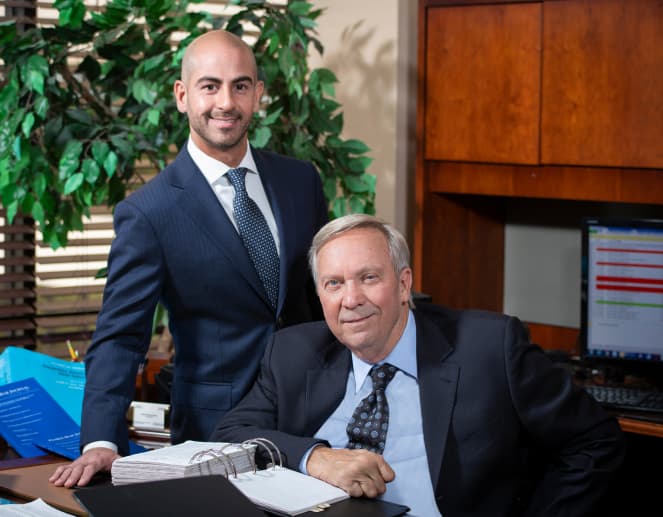 An investment fraud lawyer helps investors recover investment losses that they lost due to a financial advisor or broker who did not act in their best interest. Typically, the lawyer will help the investor recover their losses through a process called FINRA arbitration.
Investment Losses? Let’s talk.
or, give us a ring at 800-732-2889.
Contact our Wyoming Securities and Investment Fraud Attorneys Today
The Law Offices of Robert Wayne Pearce, P.A., is a law firm specializing in representing defrauded investors recover. Wyoming investment fraud lawyer Robert Wayne Pearce specializes in getting individuals their money back from bad investments using any and all available methods.
If you are an investor who has recently dealt with investment loss due to potential securities or investment fraud, we want to help.
If you have questions about how to move forward, contact our team online or call our Cheyenne office line at (800) 732-2889 for a free confidential consultation with a Wyoming securities lawyer. We will fight aggressively for your financial recovery and for justice.
- Cheyenne
- Casper
- Gillette
- Laramie
- Rock Springs
- Sheridan
- Green River
- Evanston
- Riverton
- Jackson
- Cody
- Rawlins
- Lander
- Torrington
- Powell
- Douglas
- Worland
- Thermopolis
- Buffalo
- Mills
Client Testimonials
[trustindex no-registration=google]
[Written by attorney Robert Wayne Pearce (Attorney Bio)]